Mills
Pulses
End-to-end pulse processing solutions combining Advanced technology with precision engineering — for maximum efficiency, consistency, and quality across lentils, chickpeas, beans, and peas.
End-to-end pulse processing solutions combining Advanced technology with precision engineering — for maximum efficiency, consistency, and quality across lentils, chickpeas, beans, and peas.

Our pulse processing systems leverage Advanced technology and best-in-class insights to deliver quality monitoring of quality, moisture, and impurity levels throughout processing. Designed for high throughput with minimal product loss.
Whether you're processing lentils, chickpeas, beans, or peas, our mills handle the unique challenges of each pulse variety — from gentle dehulling to precision splitting and final grading.
Talk to an expert today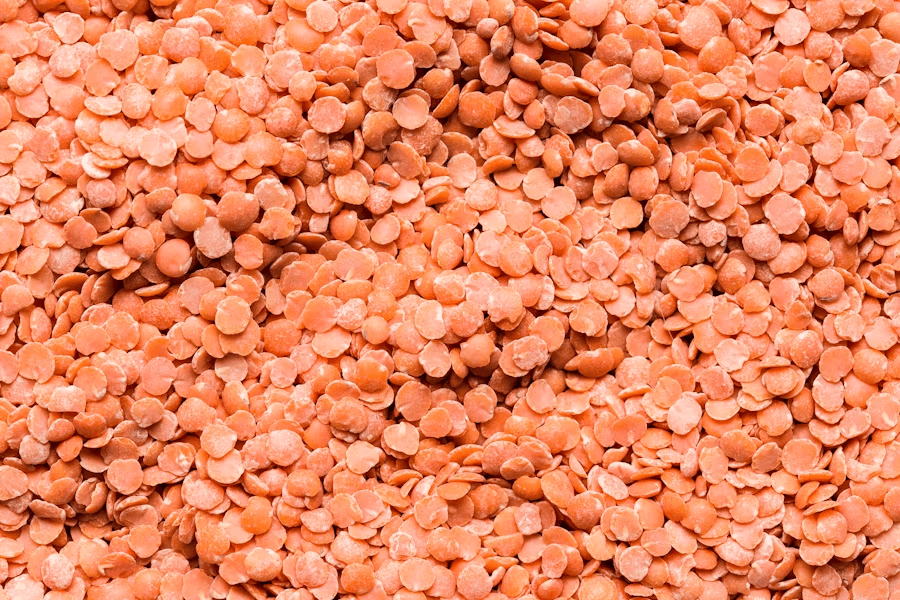
From raw pulse intake to finished dal — a complete integrated workflow optimised for yield and quality.
Raw pulses are received, weighed, and sampled for quality assessment. Pre-cleaners, de-stoners, aspirators, and magnetic separators remove dust, stones, twigs, and metal contaminants from incoming material. This protects downstream equipment and ensures only clean, uniform pulses enter the processing line.
Cleaned pulses are stored in bins or silos with optional drying to reach optimal moisture content for processing. Fluidized bed or rotary drying systems reduce moisture where required, preventing mould growth and ensuring uniform conditioning before cleaning and dehulling.
Classifiers and vibrating screens remove remaining impurities and separate pulses by size. Gravity separators classify by density, removing lightweight or shrivelled grains. High-speed colour sorters scan each pulse for discoloration, insect damage, and foreign material — ensuring only uniform, premium quality pulses advance.
Dehullers and impact hullers remove the outer husk from the pulse kernel. The process is carefully calibrated for each pulse variety to minimise breakage and maximise whole dal yield. Aspirators and vibrating separators then clean the dehulled product, removing loose husk and dust.
Fluidized bed or rotary dryers reduce moisture in the dehulled pulse to the target level for splitting. Roller mills or impact splitters then break the whole dehulled pulse into two equal halves to produce dal. Split fraction quality is carefully controlled to minimise powder formation.
Gravity separators and size graders make final quality corrections — removing any defective, uneven, or undersized pieces. The finished dal is graded by size and inspected for uniformity before routing to day bins or directly to the bagging line for packaging.
Our combined expertise in food technology and engineering delivers solutions that go beyond equipment — we optimize your entire process for safety, quality, and yield.
Our food technologists and engineers understand the unique processing challenges of each pulse variety — from the fragile nature of red lentils to the tough husk of chickpeas. We design systems that optimise yield, minimise breakage, and deliver consistent dal quality that meets domestic and export specifications.
Process analytics enable quality monitoring of moisture, impurity levels, and split ratios throughout the production line. Continuous adjustments reduce product losses, improve throughput, and maintain the quality consistency needed to satisfy premium buyers and FMCG brands.
From small dal mills to high-capacity pulse processing plants — tailored systems with ongoing support and fast delivery.